



Intro
Show and tell is an age-old activity that happens in many classrooms. Put an academic
spin on this activity and support standards at the same time. The children have lots of fun
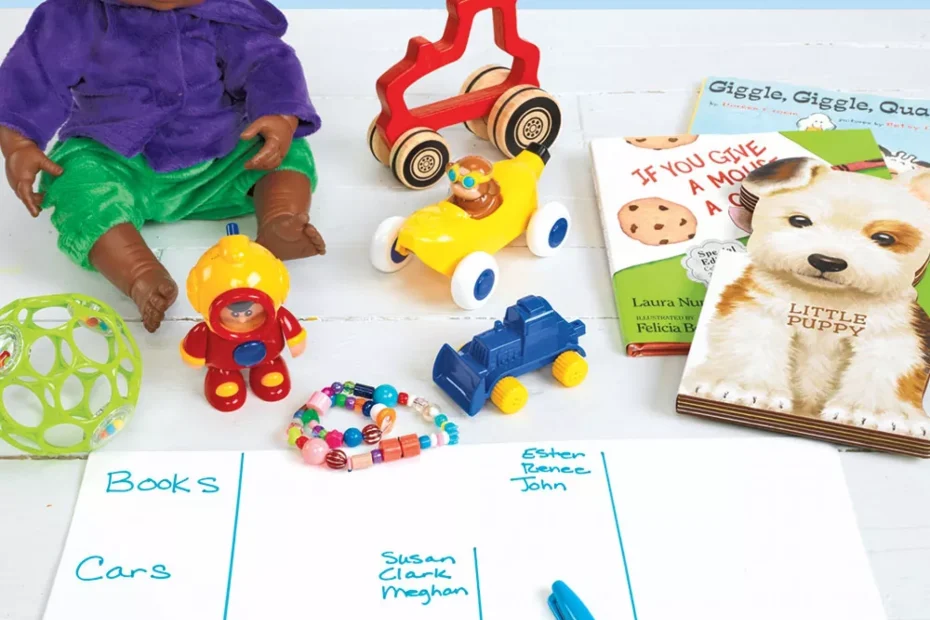
while learning set comparison using science materials and a simple graph.
Set Up ideas
You'll need to make and send appropriate notes home for children to bring something in.
Try to stick to small, relatively easy items to find like nature items.
Let’s Get Started
Before starting show and tell, you'll need to create a floor graph. You may be able to find a
commercially made floor graph, or you can simply create your own by taping 2-3 long
strips of butcher paper together to form a graph.
Tips and Tricks
Some suggestions for items to bring in are those that can be used with one of the five
senses, different types of leaves, etc. Send a note home announcing when the activity will
be held.
Follow up Activity
Placing items in the right category means looking at their attributes and finding others
with a like attribute. For more practice with this, try our Button Attributes activity to sort
and classify buttons!
The children will do most of the talking with this activity! Depending on the topic and
what you are categorizing, you may need to discuss the children's items with them to
help place them in the correct spot on the floor graph.
Steps:
- Choose a science topic that the children can participate with by bringing items from home
for show and tell. You may wish to choose a topic related to something else you are
studying. - Whatever the children’s usual procedure is for sharing, add another procedure by
deciding 2-3 categories on the floor graph to divide the shared materials. - As each child completes their time sharing, have them place their show-and-tell items into
the appropriate column of the floor graph. - After everyone has shared, compare the sets on the floor graph. Work together to
determine which set has the most and which has the least..